

Categories
Homeownership, Home Ownership TipsPublished June 15, 2026
Well Water failed..now what?

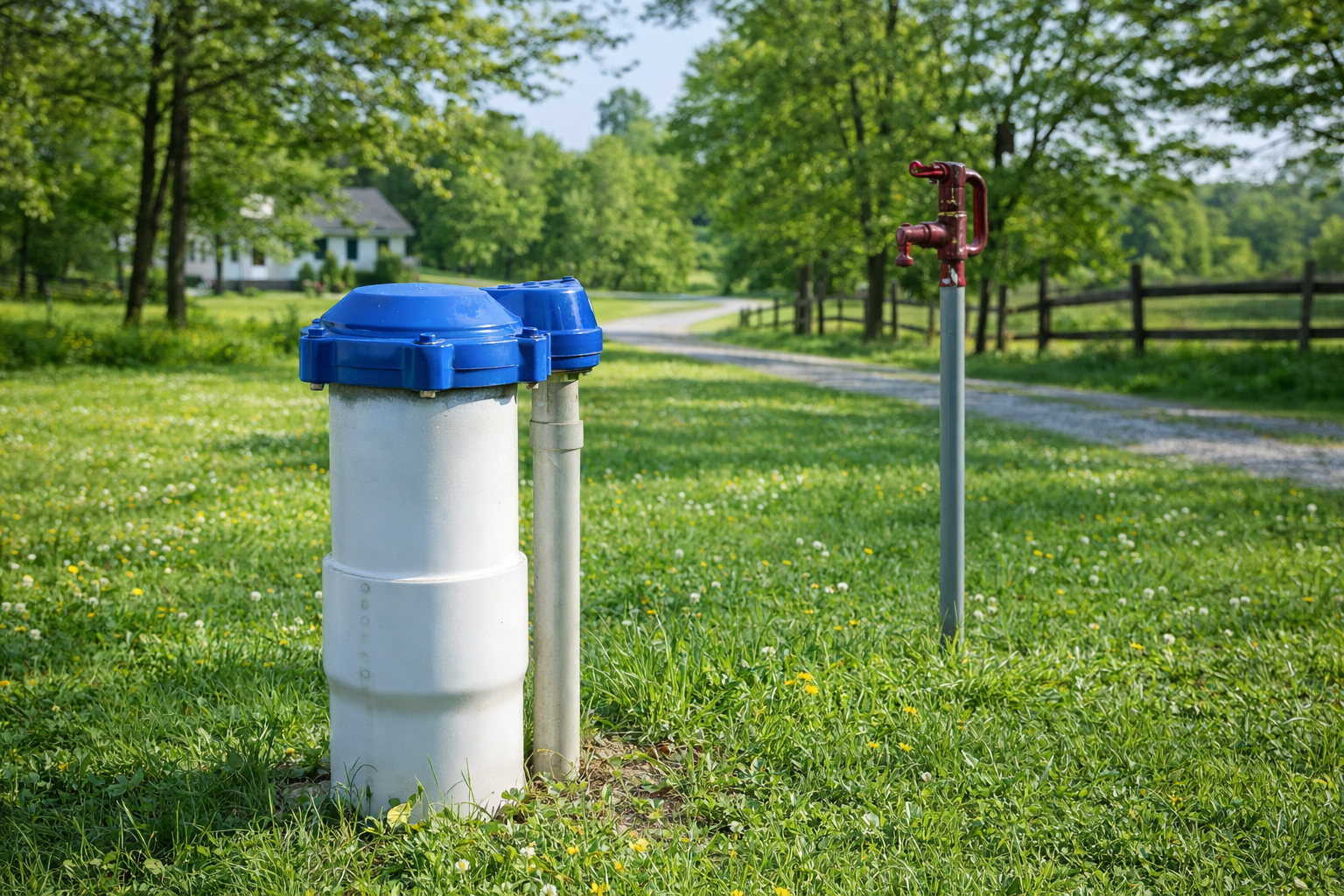
What It Means When Coliform Is Found in Your Well Water
Coliform bacteria are naturally found in soil, vegetation, and surface water. A positive test doesn’t necessarily mean your water is making you sick—but it does mean something is wrong with the well system.There are two main categories:
- Total Coliform — Indicates a pathway for contamination (cracks, poor seals, surface water intrusion).
- E. coli — Indicates fecal contamination and requires immediate action.
Common Causes of Coliform Contamination
- A cracked or loose well cap
- Surface runoff entering the well casing
- Shallow wells or older hand‑dug wells
- Failed grout or casing
- Plumbing dead‑legs where water stagnates
- Recent plumbing work that introduced bacteria
What Happens Next: The Standard Response Process
Below is a clear, step‑by‑step breakdown of what homeowners typically do after a positive coliform test. This is the part your readers will appreciate most—simple, actionable, and reassuring.Step‑by‑Step Guide: What to Do After a Positive Coliform Test
Before the guide, here’s a quick visual of the process homeowners follow when coliform is detected.Confirm the Test Result
Start Here- Use a certified lab for the follow-up test
- Request both Total Coliform and E. coli analysis
- Avoid using the kitchen faucet for sampling—use an outdoor spigot or dedicated sample tap
Inspect the Wellhead
Common Issue- Check for loose, cracked, or improperly sealed well caps
- Look for insect intrusion, debris, or standing water around the casing
- Ensure the casing extends at least 12 inches above grade
Shock Chlorinate the Well
DisinfectionUse a chlorine concentration of 50–200 ppm depending on well depth and volume.
- Add chlorine directly into the well casing
- Circulate water through all fixtures until chlorine odor is present
- Let the system sit 8–12 hours before flushing
Flush and Retest
- Flush the system until chlorine smell disappears
- Wait 5–7 days before retesting
- Use the same certified lab for consistency
Address Structural Problems
Long-Term Fix- Replace or reseal the well cap
- Repair cracked casing or grout
- Redirect surface runoff away from the well
- Consider adding a UV purification system for ongoing protection
What Homeowners Should Expect After Treatment
If the contamination was minor or caused by a loose cap, shock chlorination often resolves it immediately. If coliform returns, it usually means:- The well is shallow
- The casing is compromised
- Groundwater conditions are unstable
- The well is located downhill from runoff sources

Sasha Tripp
| Story House Real Estate | Real | PLACE
or another way