

Published June 11, 2026
Why do we have vent stacks and why are they on my inspection report?

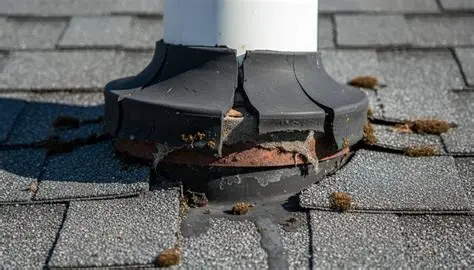
Why Vent Stacks Fail — And Why It Matters More Than You Think
Vent stacks are one of the most overlooked systems in a home. They don’t move water, they don’t heat anything, and they don’t make noise. They just… stand there. Quietly. Until they don’t.When a vent stack fails, the symptoms show up everywhere except the roof: slow drains, gurgling toilets, sewer smells, and inspection reports that suddenly get very dramatic.
Below is a breakdown of the most common reasons vent stacks fail — and how homeowners can stay ahead of them.
🧱 Structural Shifts: When the House Moves, the Vent Moves
Homes settle over time. Rafters shift. Roof decking bows. A vent stack that was perfectly aligned in 1998 may now be leaning like it’s trying to escape.
When the structure moves, the vent pipe can:
When the structure moves, the vent pipe can:
- Crack at joints
- Pull away from fittings
- Separate inside walls where no one can see
🌧️ Weather & UV Damage
The rubber boot around the vent stack is the first line of defense against water intrusion. Unfortunately, it ages like milk.
UV exposure + temperature swings = cracked, brittle, leaking vent boots.
Once the boot fails, water follows the vent pipe straight into the attic, soaking insulation, drywall, and framing. Many “mystery roof leaks” are actually vent boot failures in disguise.
UV exposure + temperature swings = cracked, brittle, leaking vent boots.
Once the boot fails, water follows the vent pipe straight into the attic, soaking insulation, drywall, and framing. Many “mystery roof leaks” are actually vent boot failures in disguise.
🪵 Debris & Wildlife: Nature Is Not Your Plumber
Vent stacks are basically open invitations to the local wildlife HOA.
Common offenders:
Over time, this can:
Common installation issues include:
A simple annual roof check and a quick look at the vent boot can prevent:
Common offenders:
- Birds building nests
- Squirrels storing acorns
- Leaves and debris forming a plug
- Bees deciding your vent is their new condo
🧊 Freeze Damage: The Wintertime Vent Killer
In colder climates, steam from warm wastewater rises through the vent and condenses near the top. When temperatures drop, that moisture freezes.Over time, this can:
- Crack the pipe
- Break the cap
- Create ice blockages that stop the vent from functioning
🛠️ Poor Installation: The Hidden Time Bomb
Some vent stacks were installed by people who believed “close enough” was a plumbing philosophy.Common installation issues include:
- Undersized vent pipes
- Too many bends
- Improper slope
- Vent terminating too low above the roofline
- Using the wrong materials (yes, people have used dryer vent pipe…)
🧪 Corrosion & Material Failure: When the Pipe Itself Gives Up
Older homes may have cast iron vent stacks. Over decades, cast iron can:- Rust from the inside out
- Develop pinhole leaks
- Crack under stress
🏡 The Takeaway
Vent stacks fail quietly — until they don’t. And when they do, the symptoms can look like plumbing issues, roof issues, or even HVAC issues. But the root cause is often the same: a vent system that’s no longer doing its job.A simple annual roof check and a quick look at the vent boot can prevent:
- Water damage
- Sewer gas leaks
- Failed home inspections
- Expensive repairs


