

Categories
Home Ownership Tips, Homeownership, HomeBuyerPublished June 11, 2026
Septic Tanks 101

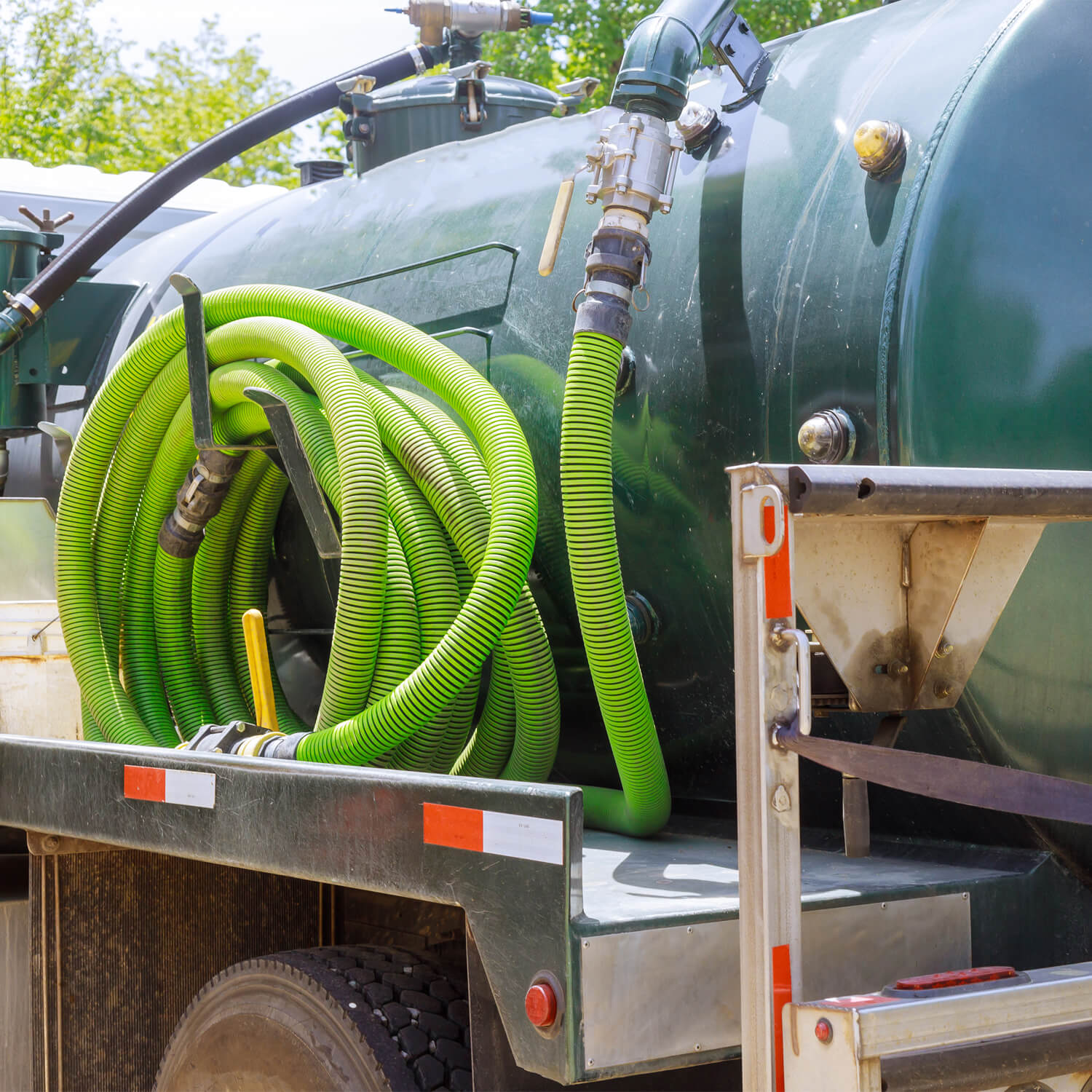
How to Properly Maintain a Septic System
Because Replacing One Costs More Than a Weekend at the GreenbrierA septic system is one of the most important — and most ignored — parts of a home. It works quietly underground, out of sight and out of mind, until the day it doesn’t. And when a septic system fails, it fails with enthusiasm.
Here’s how homeowners can keep their system healthy, avoid expensive repairs, and extend the life of their drain field.
🚽 What a Septic System Actually Does
A septic system is basically a private wastewater treatment plant. Wastewater flows from the home into the tank, solids settle, bacteria break things down, and the clarified water flows into the drain field to be absorbed into the soil.
When any part of that process gets disrupted — too many solids, too much water, not enough bacteria — the system starts to fail.
When any part of that process gets disrupted — too many solids, too much water, not enough bacteria — the system starts to fail.
🛢️ Pumping the Tank: The Non‑Negotiable Rule
The #1 cause of septic failure is simple: not pumping the tank often enough.
General guideline:
Pumping is cheap. Replacing a drain field is not.
General guideline:
- Every 3–5 years for most households
- More often for large families, garbage disposal users, or homes with older tanks
Pumping is cheap. Replacing a drain field is not.
🚿 Water Management: Your Septic System Has a Capacity
Septic systems can only handle so much water at once. Overloading the system pushes solids into the drain field and prevents proper settling.
Smart water habits include:
Avoid sending these into the system:
Smart water habits include:
- Stagger laundry loads throughout the week
- Fix leaky toilets (they can waste 200+ gallons a day)
- Install high‑efficiency fixtures
- Avoid long back‑to‑back showers
🧪 Protecting the Bacteria: Don’t Kill the Workforce
The bacteria in your tank are the heroes of the story. They break down solids and keep the system functioning.Avoid sending these into the system:
- Bleach-heavy cleaners
- Antibacterial soaps
- Paint, solvents, or chemicals
- Drain cleaners
- Excessive laundry detergents
🌱 Protecting the Drain Field: The Most Fragile Part of the System
The drain field is where treated water disperses into the soil. It’s also the easiest part to accidentally destroy.
Homeowners should:
Homeowners should know:
Safe items include:
The essentials:
Homeowners should:
- Keep trees and shrubs far away (roots love septic lines)
- Never park vehicles on the drain field
- Avoid installing patios, sheds, or fire pits over it
- Direct gutters and downspouts away from the area
🧭 Know the Location of Your System
You can’t maintain what you can’t find.Homeowners should know:
- Where the tank is
- Where the drain field is
- Where the access lids are
- Whether there are risers installed
🧼 What You Can Safely Put Down the Drain
A simple rule: If it didn’t come from your body or the kitchen sink, it probably doesn’t belong in the septic system.Safe items include:
- Toilet paper
- Water
- Human waste
- Mild cleaners in moderation
🏡 The Takeaway
A septic system can last 25–40 years with proper care — or fail in under 10 if neglected.The essentials:
- Pump every 3–5 years
- Protect the drain field
- Manage water usage
- Keep chemicals out
- Know your system’s layout
|


or another way