

Categories
Homeownership, HomeSellerPublished June 10, 2026
Quest Piping - To Worry or Not Worry?

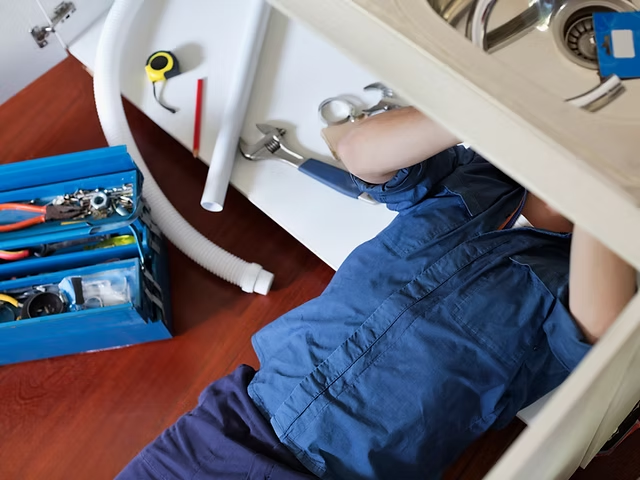
The Hidden Risk in Older Homes: What Charlottesville Homeowners Need to Know About Quest Plumbing
If your home was built between the late 1970s and the mid‑1990s, there’s a decent chance it contains Quest plumbing—also known as polybutylene or Qest pipes. These flexible gray or black lines were once marketed as a miracle material. Today, they’re known for something very different: unexpected failures, insurance headaches, and expensive surprises during resale.Here’s a clear, homeowner‑friendly breakdown of what you’re dealing with and what to do next.
What Exactly Is Quest Plumbing?
Quest (polybutylene) is a type of plastic piping used widely from the late ’70s through 1995. It was cheap, easy to install, and flexible enough to snake through tight spaces.Unfortunately, it had one fatal flaw: It reacts with common disinfectants—especially chlorine—in public water systems.
Over time, the inside of the pipe oxidizes, becomes brittle, and can rupture without warning.
The Main Risks of Keeping Quest Plumbing
1. Sudden, Catastrophic Ruptures
Quest pipes don’t usually fail slowly. They fail dramatically. When the interior breaks down, the pipe can split open and release gallons of water in minutes. This is why many plumbers treat the first leak as a warning shot.2. Insurance Complications
Many insurance companies know the risk—and price it accordingly. Some will raise premiums. Others may refuse coverage until the plumbing is replaced. If you’re shopping for a new policy, expect questions about your plumbing type.3. Lower Resale Value
Buyers today are savvy. Home inspectors flag polybutylene immediately, and many lenders and insurers won’t touch a home with active Quest lines. Sellers often end up replacing the plumbing before closing anyway, so addressing it early can save time and stress.What You Can Do Right Now
• Look for Leaks
Check around water heaters, under sinks, behind toilets, and near your main shut‑off. Watch for:- Damp drywall
- Discolored flooring
- Sudden changes in water pressure
• Consider a Whole‑House Repipe
If you’ve had one leak, the rest of the system is likely compromised. Most experts recommend replacing Quest with:- PEX (flexible, durable, cost‑effective)
- Copper (long‑lasting, premium option)
• Use Temporary Repairs When Needed
If a full repipe isn’t feasible right now, plumbers can install Quest‑to‑PEX transition fittings to repair isolated failures. These are safe as a stopgap—but not a long‑term solution.If You’re in the Charlottesville Area…
Local water systems—including Charlottesville public water—use disinfectants that accelerate polybutylene breakdown. That means Quest plumbing here ages faster than in some private‑well communities.To give you the most accurate guidance, I’d love to know:
- Are you planning to sell your house or shop for home insurance soon
- Have you already experienced any leaks or water damage
- Do you know whether your water supply is public or from a private well

Sasha Tripp
| Story House Real Estate | Real | PLACE
or another way